What is a Pharming Attack?
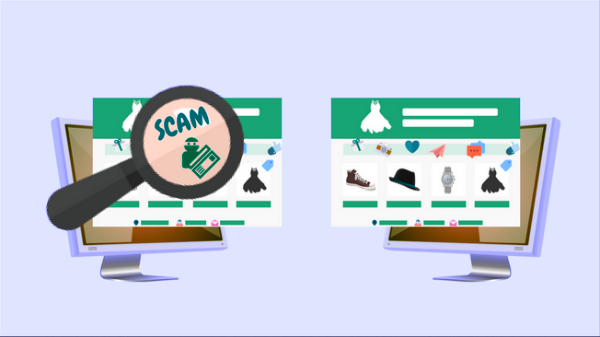
Pharming is yet another way hackers attempt to manipulate users on the Internet. While phishing attempts to capture personal information by getting users to visit a fake website, pharming redirects users to false websites without them even knowing it.
While a typical website uses a domain name for its address, its actual location is determined by an IP address. When a user types a domain name into his or her Web browser's address field and hits enter, the domain name is translated into an IP address via a DNS server. The Web browser then connects to the server at this IP address and loads the Web page data. After a user visits a certain website, the DNS entry for that site is often stored on the user's computer in a DNS cache. This way, the computer does not have to keep accessing a DNS server whenever the user visits the website…read more at - Techterms.com.

How Does Pharming Work?
One of the techniques used in executing a pharming attack is the alteration of the DNS services on the computer system by a type of malicious code known as DNS cache poisoning.
A simple example would be on a contact list in a mobile phone. Contact lists are vitally important to us, as they allow us to store a friend’s number for easy reference. Using them is simple: we look up a friend’s name, and then click call. The mobile phone uses the number and the associated network technology to reach a friend’s phone, a connection is created, and before you know it your friend is on the other end of the line.
Suppose, for example, a buddy played a trick on you, and changed a contact list on your mobile phone. Instead of a friend’s number which you have recorded in your phone as John, your pal changed it to Mary instead, without you being aware of this change. When you try to call John, you inadvertently call Mary instead. This is, generally speaking, how pharming attacks mess with their victim’s information...to read more, visit - Teachcomputerscience.com.

To carry out a pharming attack, the attacker typically makes use of the following:
- A Batch Script to write the malicious IP and domain names onto the Hosts files.
- A Joiner to join the batch file onto another file
- A Code Obfuscator to help the executable escape detection from anti-virus software.
Phishing vs Pharming
You need to be clear about the difference between Pharming and Phishing. Phishing attacks start with the receipt of an e-mail asking you to visit a website where you may get compromised. Pharming attacks start at the DNS server level where you are redirected to a malicious website...go to - TheWindowsClub to know more.
How to protect yourself against pharming
A good place to start is to install and run reputable antivirus and anti-malware security software with browser monitoring to help detect malware threats and protect your devices against emerging threats. But keep in mind not all antivirus and spyware removal software can protect against pharming, so additional anti-pharming measures may be needed.

Here are some anti-pharming safeguards.
- Ensure you are using secure web connections (look for https in the web address)
- Be cautious when opening links or attachments that you weren’t expecting or that are from an unfamiliar sender
- Avoid suspicious websites
- Enable two-factor authentication on sites that offer it
- Use a reputable internet service provider, whenever possible
- Use a VPN service that has reputable DNS servers
- Change the default password on your consumer-grade routers and wireless access points
If you suspect you’re already a victim of pharming, you can try resetting your computer to reset your DNS entries...go to - Norton to know more.
Pharming-specific Defences
While Phishing attacks typically use email as the attack delivery platform, Pharming attacks do not require any email obfuscation attacks to succeed – therefore Phishing defences that rely upon email security play a lesser role. The defences that will be most successful in preventing Pharming attacks focus upon the following areas:
- Change management, monitoring and alerting
- Third-party host resolution verification
- DNS server patching, updating and configuration
- Search engine control
Visit - Ukessays.com to read more.
Pharming is a serious concern and it’s on the rise. Although ISPs are taking the necessary efforts to provide filtering, we as a user should be more vigilant and exercise caution when using the Internet. An anti-phishing solution is all you need to make sure that you are safe against the threats of pharming attacks